Limited availability
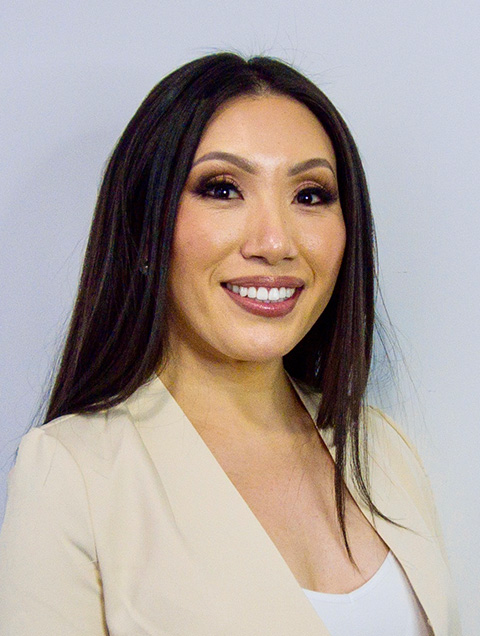
Amy L. Lister
RP, Art Therapist (DTATI), M.A, PCC, OCT
Therapy for the emotional side of a health concern: fertility, pregnancy and postpartum, perimenopause and menopause, and living with a health condition. In person, with an independent registered therapist you choose.

Mood that shifts without warning, sleep that will not settle, a sense of not being quite yourself. You may have been told it is normal. It still deserves room.
Treatment cycles, waiting, loss, decisions that never feel only medical. Support that holds the grief as well as the logistics.
Anxiety that arrives with the baby, a birth that did not go as planned, an identity that shifted overnight.
Living with a diagnosis, appointments that never end, and a life you are still trying to lead alongside it.
A relationship with food or your body that has taken up more space than you want to give it.
Low energy, disrupted sleep, or stress showing up in your body, and the worry that comes with it.
Therapy for women’s health is talk therapy for the emotional side of a health concern. It is provided by a Registered Psychotherapist or a Registered Social Worker, each accountable to a regulatory college in Ontario.
A health concern is rarely only medical. A treatment cycle, a diagnosis or a body that has stopped being predictable also brings grief, worry and a changed sense of who you are. Therapy is where that side gets room.
It sits beside the care you get from your doctor and does not replace it.
What it does. You talk with your therapist in a private room, at your pace, about what is happening and how it is affecting your days, your relationships and how you see yourself. Each therapist describes how they work on their profile.
What it does not do. Therapy does not diagnose or treat a physical condition, and a therapist does not advise on medication, hormones or fertility treatment. Those questions belong with your doctor or your clinic.
What to know before you begin. Talking about hard things can be uncomfortable. Your therapist goes at a pace you set, and you can stop or change direction at any point.
When something else fits better. If your concern is mainly a medical question, start with your doctor. If you are in crisis, call or text 9-8-8 at any hour, or call 911 in an emergency.
You choose the therapist; the centre does not assign one.
The therapists who work in this area are listed on this page. Each profile shows registration, focus areas, how they work, and fees when provided.
Contact the therapist you choose through their profile. Most offer a free 15-minute phone consultation on request, so you can ask questions before booking. Not sure who to choose? Write to the centre, and the centre director will suggest therapists whose focus fits.
You meet in person at the centre, in a private room.
You and your therapist decide how often you meet.
A conversation about what is happening, what you have already tried and what you want to be different. You and your therapist decide together how to go on. Where a therapist posts the length and the fee, they are on the therapist’s profile.
No diagnosis and no referral. If it is affecting how you live, that is enough.
Fees. Each therapist sets their own fee. Posting a rate is each therapist’s choice; where it is not shown, ask when you reach out. Psychotherapy from a registered provider is HST-exempt in Canada, so no tax is added.
Coverage. Many extended health plans cover part of the cost of therapy with a Registered Psychotherapist or Registered Social Worker, up to the plan’s own limit. OHIP does not cover it. You receive a receipt for every session.
Where. Suite 401, 801 Eglinton Avenue West, Toronto, directly across from Forest Hill station.
Independent registered professionals. Credentials are shown exactly as registered; contact each therapist directly.
No therapists match that search.
Try a different name or focus area, or see everyone.
Therapy. Every therapist here is a Registered Psychotherapist or a Registered Social Worker, accountable to an Ontario college. It sits beside the care you get from your doctor and does not replace it.
No. You can contact any therapist here directly. Some benefit plans ask for a doctor’s note before they reimburse, so it is worth checking your own plan.
Often, in part. Therapy with a Registered Psychotherapist or Registered Social Worker is a benefit on many extended health plans, each with its own limit. It is not covered by OHIP.
Only with your written consent, and only if it helps your care. Nothing about your sessions is shared without it, within the limits the law sets, which your therapist explains at the start.
Some people come weekly for a while, others monthly. It is set with your therapist, not by the centre.
Yes, at the centre in midtown. Some therapists also offer online appointments; ask when you reach out.
One-to-one therapy for adults navigating anxiety, low mood, stress, or a change they did not choose.
About individual therapyWhen one person in a family is struggling, the whole household feels it.
About family therapyThis page describes therapy. It is not medical advice.
Each therapist’s registration can be checked on their college’s public register: the College of Registered Psychotherapists of Ontario or the Ontario College of Social Workers and Social Service Workers. The crisis line named above is 9-8-8, Canada’s Suicide Crisis Helpline.
Every therapist at the centre is registered, independent, and accountable to a regulatory college. That accountability protects the quality of your care. Confidentiality is set by law, and your therapist explains its limits at the start.
What you share in therapy is confidential, within limits set out by law. Your therapist explains those limits at the start, and if you have concerns, you are encouraged to ask about them.
Every therapist is a Registered Psychotherapist or Registered Social Worker in good standing in Ontario.
Care here happens face to face, in a warm, private room built for confidential conversation.