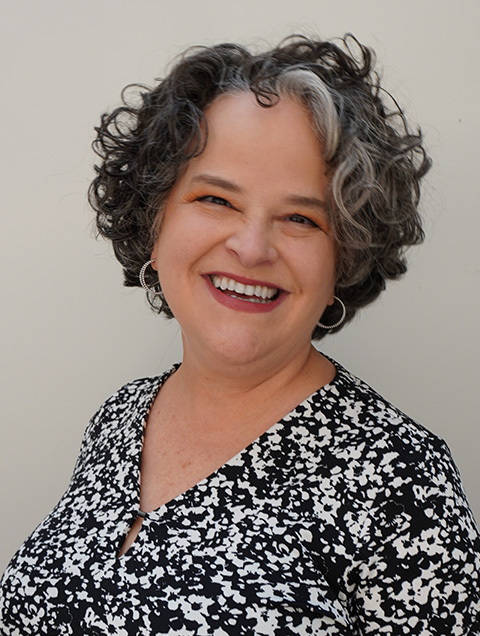
Jessica Cummings
MA, MSW, DCP(c), RSW, Psychotherapist
For communication that keeps breaking down, the same fight on repeat, a hard decision, or a new stage: a private room, undivided attention, and both of you heard.

Talking past each other, not feeling heard, or barely talking at all. Often it becomes the same fight on repeat: the content changes, the choreography does not. The pattern, not either of you, is the problem.
Less a fight than a fading: parallel lives, functional logistics, a quiet neither of you chose.
A betrayal of trust, a discovered secret. Repair is real work with real steps.
Whether to move, whether to stay, whether to have children. Therapy does not decide for you; it makes sure the decision gets made well, by both of you.
New commitments, a first child, blending families. Any configuration, any stage: dating, common-law, married, or separating with care.
Raising children puts a particular strain on a couple: different instincts, an uneven load, decisions that never stop arriving. The work here is on the two of you.
Couples therapy is structured work with a registered therapist and both partners in the room, focused on the relationship itself. The therapist works for both of you.
Look for couples training. Profiles show registration, couples-specific training and focus, approach, and fees when provided. Read them together if you can.
Find your therapistContact the therapist directly; most offer a free 15-minute phone consultation on request, so you can ask questions before booking. Not sure who to choose? Write to the centre and the Director will suggest therapists here who fit.
Both partners speak, both are heard, and the pattern gets named without blame. Then the three of you decide how to go on.
Sessions often start weekly. Between sessions is where the pattern actually changes.
Both of you speak. The therapist names the pattern without assigning fault, and you agree together what you would work on. Deciding whether this fits is part of the session, not a precondition for booking it.
Couples work is the clearest case for a room: shared space, undivided attention, nobody talking over a laptop from the kitchen. Sessions take place in a private room at Suite 401, 801 Eglinton Avenue West, directly across from Forest Hill station.
Each therapist sets their own fees, usually per session for the couple. Posting a rate is each therapist’s choice, so a fee is not always shown; where it is not, ask when you reach out. Many extended health plans cover Registered Psychotherapists and Registered Social Workers; coverage is typically per plan member, so check whether it applies for each of you. Psychotherapy delivered by registered providers is HST-exempt in Canada, so no tax is added. You receive a receipt for every session.
Yes, within limits set out by law, which your therapist explains at the start, along with how they handle secrets between partners. If you have concerns, ask about them. Every couples therapist has a policy and tells you before the work begins.
Sessions are for both of you; that is where the work is. Some therapists include occasional individual sessions within couples work, and each explains their own approach up front. If your partner will not come yet, individual therapy is a real place to start on your side of the pattern.
Completely. Most couples arrive with one partner leading. The first session asks nothing of the reluctant partner except to come and see.
Not in the usual sense, but sometimes therapeutically: helping both of you can mean naming something one of you needs to hear. Where there is abuse, addiction or deep unhappiness, the therapist is not necessarily on the side of keeping the relationship together; they are on the side of everyone’s safety and wellbeing. If one of you feels blamed, say so out loud; naming it is part of the work.
Yes. When separation is the outcome, therapy helps it happen with clarity and care, especially where children are involved. See also family therapy and mediation and reports for court.
Yes, many do, for times when meeting in person is not possible. The centre is built around in-person care, but ask the therapist you choose whether they also offer online or phone sessions.
Browse the independent registered therapists who work with couples, and reach out to the one who fits. Share the note with your partner if that helps. Most therapists here offer a free 15-minute phone consultation on request, so you can ask questions before you book.
Independent registered professionals with couples training shown on their profile. Credentials are shown exactly as registered; contact each practitioner directly.
No therapists match that search.
Try a different name or focus area, or see everyone.
Every therapist at the centre is registered, independent, and accountable to a regulatory college. That accountability protects the quality of your care. Confidentiality is set by law, and your therapist explains its limits at the start.
What you share in therapy is confidential, within limits set out by law. Your therapist explains those limits at the start, and if you have concerns, you are encouraged to ask about them.
Every therapist is a Registered Psychotherapist or Registered Social Worker in good standing in Ontario.
Care here happens face to face, in a warm, private room built for confidential conversation.