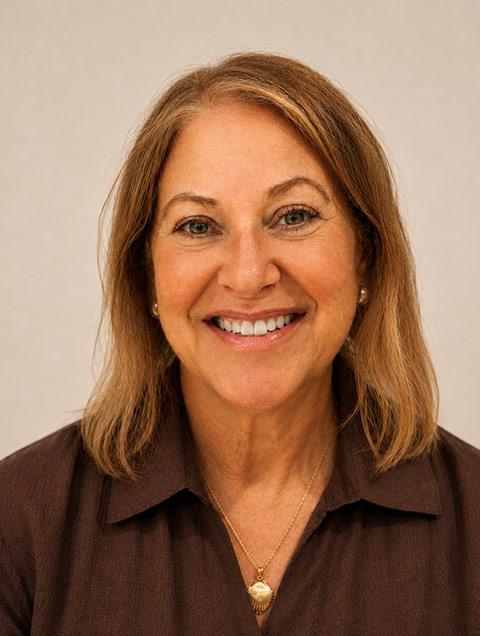
Stephanie Shields
MSW, RSW Psychotherapist
When one person in a family is struggling, the whole household feels it. You do not have to agree about what the problem is, only to be part of the solution.

Helping parents separate the couple relationship that is ending from the parenting relationship that is not, and helping children land somewhere honest through it.
New partners, step-siblings, two sets of house rules. Blended families are built, not born.
A death reorganizes a family. Different members grieve at different speeds, and the mismatch itself becomes painful.
When one member is in real difficulty, the family around them strains too. Family work often sits alongside child or teen sessions.
The same loop, never landing. The pattern is what the work addresses.
Sometimes it is about how the family talks to each other, or how to make a decision about something important that affects everyone.
Family therapy is a way of looking at problems from the family’s point of view: how an issue developed, and what keeps it going. A registered therapist works with whoever in the family comes, rather than treating one member as the problem to fix.
Look for family therapy training (family systems is one model within it). Profiles show registration, the configurations they see (whole families, parent pairs, parent-and-teen), and fees when provided.
Find your therapistDescribe what the family is dealing with; most therapists offer a free 15-minute phone consultation on request before booking. Not sure who to choose? Write to the centre and the Director will suggest therapists here who fit.
With whoever is coming. You name what the family is dealing with and hear how confidentiality works, plainly.
Therapists work with whoever comes, and who attends can change as the work goes on. Nobody is put in a room they are not ready for.
Decided with you, not for you. The therapist works with whoever comes, and that can change as the work goes on. Nobody has to talk: being in the room matters more than performing in it.
Explained plainly before anything begins, within limits set out by law: what stays between them and an individual family member, what is shared with the family, and how safety concerns are always handled. For parents choosing family therapy, this clarity is safety.
Family sessions need a room that holds everyone who comes. Sessions take place at Suite 401, 801 Eglinton Avenue West, directly across from Forest Hill station.
Each therapist sets their own fees, usually per session for the family. Posting a rate is each therapist’s choice, so a fee is not always shown; where it is not, ask when you reach out. Many extended health plans cover Registered Psychotherapists and Registered Social Workers; check your plan’s wording. Psychotherapy delivered by registered providers is HST-exempt in Canada, so no tax is added. You receive a receipt for every session.
Whoever comes. The therapist works with the members who are there, and who attends can change as the work goes on. Nobody is put in a room they are not ready for.
No. Family sessions make room for different paces; being in the room matters more than talking in it.
No. It looks at how a problem developed and what keeps it going, so that everyone can have a part in changing it. Nobody has to be the problem.
Start with whoever is willing. Others can join as the work goes on, if and when they are ready.
Yes, many do, for times when meeting in person is not possible. The centre is built around in-person care, but ask the therapist you choose whether they also offer online or phone sessions.
Browse the independent registered therapists who work with families, and reach out to the one who fits. Most therapists here offer a free 15-minute phone consultation on request, so you can ask questions before you book.
Independent registered professionals with family therapy training shown on their profile. Credentials are shown exactly as registered; contact each practitioner directly.
No therapists match that search.
Try a different name or focus area, or see everyone.
Every therapist at the centre is registered, independent, and accountable to a regulatory college. That accountability protects the quality of your care. Confidentiality is set by law, and your therapist explains its limits at the start.
What you share in therapy is confidential, within limits set out by law. Your therapist explains those limits at the start, and if you have concerns, you are encouraged to ask about them.
Every therapist is a Registered Psychotherapist or Registered Social Worker in good standing in Ontario.
Care here happens face to face, in a warm, private room built for confidential conversation.